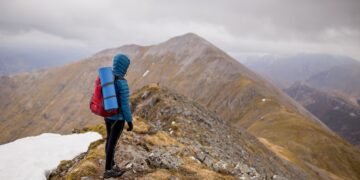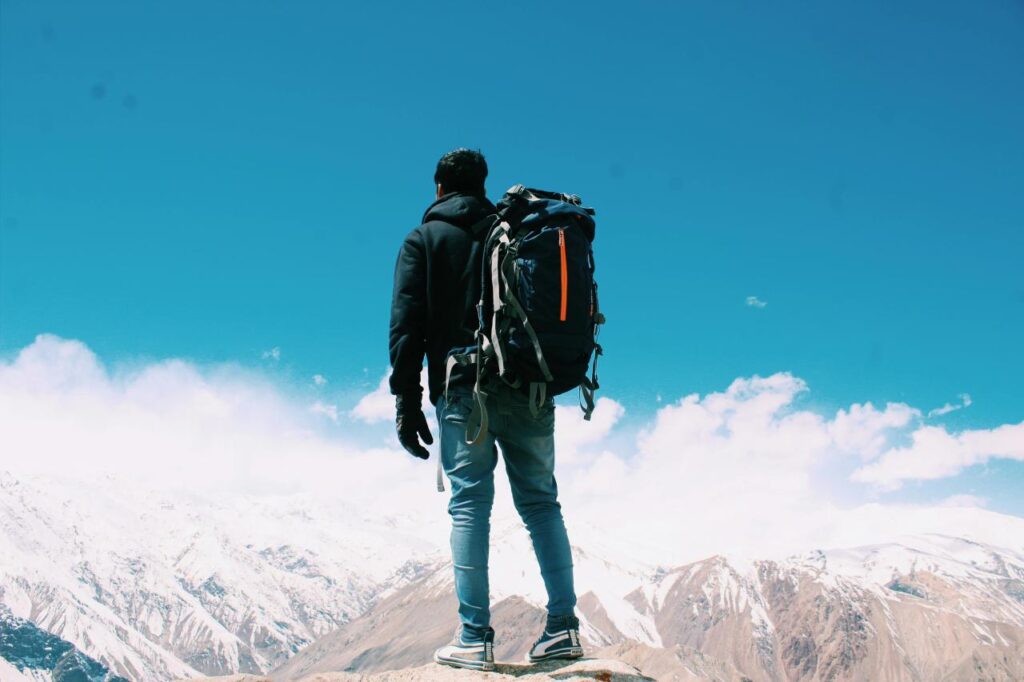
The thought of embarking on a journey entirely by oneself—leaving behind the comfortable safety net of travel companions, shared decision-making, and familiar home routines—often sparks a mix of intense excitement for the promised freedom and deep-seated apprehension regarding the logistical challenges and the perceived risk of loneliness or unexpected trouble in unfamiliar territories.
For many, the ingrained societal expectation that travel should always be a communal or relational experience creates a significant mental hurdle, causing them to postpone or entirely abandon the deeply personal desire to explore the world on their own terms, missing out on the unique and profound self-discovery that only solitude in motion can provide.
However, embracing solo travel represents a powerful declaration of self-reliance and an opportunity for unmatched personal growth, forcing the traveler to hone vital skills like sharp decision-making, rapid problem-solving, meticulous budgeting, and, perhaps most importantly, the often-overlooked art of simply being comfortable and content in their own company while navigating a foreign environment.
The true beauty of traveling alone lies in the absolute authority over one’s own itinerary, allowing for spontaneous detours to unexpected locales, leisurely moments of reflection in quiet cafes, and the unrestricted pursuit of personal interests without needing consensus from a group, ultimately making the preparation for this first unassisted trip the most critical step toward unlocking a vast world of transformative, self-directed exploration.
Pillar 1: Conquering the Mental Hurdle and Planning Basics
The initial fear is the biggest obstacle. Effective planning and managing expectations are vital for first-time solo travelers.
A. Defining Your “Why” and Setting Intentions
Understanding the personal motivation behind the solo trip fosters confidence.
-
Identify Your Goals: Are you seeking cultural immersion, deep relaxation, personal challenge, or spiritual reflection? Clearly defining the trip’s purpose helps structure the itinerary and manages expectations.
-
Embracing Solitude: Understand that alone time is the objective, not a consequence. Frame loneliness as an opportunity for self-reflection and connection with the local environment, rather than a negative experience.
-
The Power of Journaling: Keeping a travel journal is an excellent practice for solo travelers, providing a private space to process daily experiences and emotions, which significantly mitigates feelings of isolation.
B. Choosing the Perfect Starter Destination
Selecting a location that balances excitement with manageable logistics.
-
High Safety Ratings: Opt for countries with low crime rates, stable political climates, and robust tourism infrastructure for the first solo trip, reducing unnecessary stress about safety.
-
Ease of Communication: Destinations where English is widely spoken or where public transportation is easy to navigate (like major Western European cities or Southeast Asian hubs) simplify the initial challenges of arrival and orientation.
-
Tourist-Friendly Culture: Choose places known for welcoming single travelers and having established hostel or social culture, making it easier to meet people when desired.
C. The Art of the Initial Itinerary
Striking a balance between structure and spontaneous freedom.
-
Booking the First Three Nights: For a new solo traveler, pre-booking the first two to three nights of accommodation in the arrival city is essential. This eliminates arrival stress and provides a secure base for the first days.
-
Leaving Gaps: After the initial base, leave large segments of the itinerary open. This allows the freedom to chase spontaneous recommendations, join new friends, or simply linger longer in a beloved location without rigid commitments.
-
Daily Micro-Planning: Focus on planning only the next day’s activity the night before. This provides structure without locking in the entire trip, allowing for maximum flexibility and adaptability.
Pillar 2: Mastering Solo Safety and Security
When traveling alone, vigilance is the single most important tool. These tips focus on minimizing risk and managing emergencies.
A. Digital Security and Emergency Protocols
Ensuring you have reliable access to information and help when needed.
-
Digital Document Backups: Keep scanned copies of your passport, visa, flight itinerary, and insurance details in two places: a secured cloud storage folder and an encrypted folder on your phone.
-
Emergency Contact Sheet: Create a physical sheet with local emergency numbers (police, ambulance) and the contact information for your nearest embassy, kept separate from your phone.
-
Offline Maps: Download the offline maps (using Google Maps or a similar app) for your city and surrounding areas before leaving your accommodation’s Wi-Fi, ensuring you can navigate even without service.
B. Accommodation and Personal Security
Choosing safe lodging and protecting valuables when alone.
-
Location, Location, Location: Prioritize well-lit, central, and highly reviewed accommodations that are close to public transit stops. Avoid isolated or difficult-to-access locations late at night.
-
Securing Valuables: Always use the in-room safe or a padlock on your hostel locker for passports, large sums of cash, and spare devices. Never leave high-value items visible in the room.
-
The “Fake Phone Call”: If feeling uncomfortable or followed, make a fake, loud phone call in English to an imaginary person, mentioning your location and your expected meet-up time. This often deters potential harassers.
C. Money and Financial Security
Dividing assets and preparing for the inevitable financial hiccup.
-
The Wallet Separation Trick: Never carry all your cash, bank cards, and ID in one place. Distribute them into three separate locations (main wallet, secure internal bag pocket, and locked luggage) in case one is lost or stolen.
-
Notifying Your Bank: Call your bank and credit card companies before leaving home to inform them of your travel dates and destinations. This prevents them from freezing your cards due to unexpected foreign transactions.
-
Carrying Small Bills: Carry a small amount of cash (local currency) for immediate needs upon arrival (taxis, small vendors). Relying solely on large banks or ATMs can lead to unexpected delays.
Pillar 3: Leveraging Technology and Connection Tools
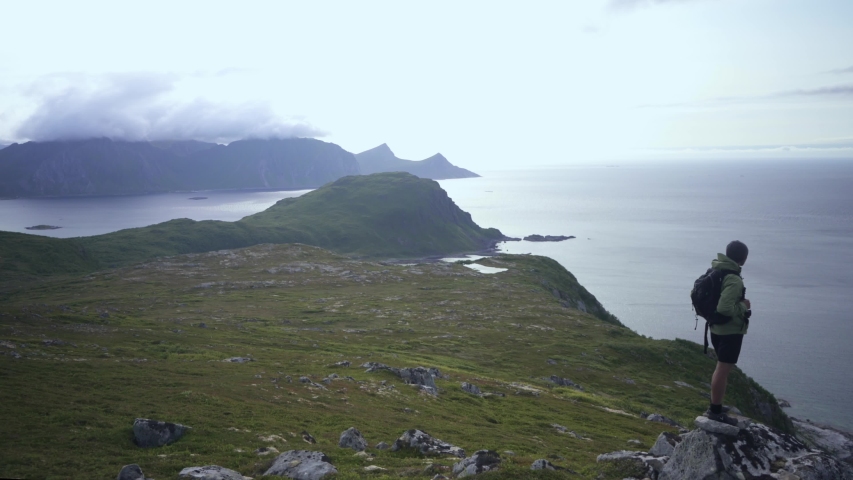
Technology is a solo traveler’s best friend, but must be used judiciously for security and social connection.
A. Essential Apps for the Solo Journey
Downloading and mastering the right tools before departure.
-
Translation Apps: Download offline language packs for quick communication in areas where English is minimal, ensuring you can manage basic needs and emergencies.
-
Ride-Sharing and Navigation: Use reputable local ride-sharing or public transit apps (e.g., Uber, Grab, local transit schedules) for safe, tracked transportation, especially late at night.
-
VPN (Virtual Private Network): Use a VPN when accessing public Wi-Fi (cafés, hotels) to encrypt your data, protecting sensitive information like bank passwords from hackers on the same network.
B. Staying Connected (When You Want To)
Using digital tools to manage communication and mitigate loneliness.
-
Scheduled Check-Ins: Set up a scheduled check-in time with a trusted person back home (e.g., every two days at 10 PM local time). This acts as a safety net, ensuring someone knows your rough whereabouts.
-
Social Connection Apps: Download apps like Meetup or specific travel-focused forums to find local events, tours, or gatherings. This allows you to intentionally seek out social interaction when the solitude becomes too intense.
-
Managing Social Media: Resist the urge to constantly broadcast your exact location in real-time. Post photos and location details with a delay of a day or two for better personal security.
C. The Power of Portable Charging
Never letting a dead battery compromise your safety or plans.
-
High-Capacity Power Bank: Always carry a fully charged, high-capacity portable power bank. Your phone is your map, wallet, emergency contact, and translator, and its battery life is a direct measure of your safety.
-
International Adapter: Ensure you have a universal international travel adapter that works across all your destinations, allowing you to charge your devices efficiently in any country.
-
Charging Before Leaving: Make a habit of fully charging all devices (phone, camera, power bank) before leaving your accommodation each morning, even if you don’t anticipate needing the charge immediately.
Pillar 4: Mastering Social and Cultural Etiquette
Solo travel provides deeper opportunities for immersion, but requires respectful and informed behavior.
A. The Art of Meeting People
Overcoming shyness and intentionally creating social opportunities.
-
Hostel vs. Hotel: For first-timers seeking social interaction, staying in highly-rated hostels (even booking a private room) is the easiest way to meet other travelers in communal kitchens or social lounges.
-
Taking Group Tours: Sign up for day-long walking tours, cooking classes, or pub crawls. These are excellent, low-pressure environments for meeting fellow travelers and forming temporary groups.
-
Dining Out Solo: Eat at the bar or counter instead of a formal table for one. This naturally invites conversation with the bartender or fellow solo diners, making the experience less isolating.
B. Cultural Awareness and Respect
Avoiding missteps that can lead to cultural isolation or offense.
-
Dress Code: Research and respect local dress codes, especially when visiting religious sites. Carrying a simple scarf or sarong for spontaneous visits is a practical and respectful measure.
-
Basic Phrases: Learn five essential phrases (hello, thank you, please, excuse me, where is the toilet) in the local language. Even a minimal effort earns significant respect and often a more helpful response.
-
Tipping and Bargaining Norms: Understand the local etiquette for tipping, bargaining, and negotiating prices. Offending a vendor or service provider through ignorance can ruin an interaction.
C. Confidence and Body Language
Projecting self-assurance, even when feeling lost or uncertain.
-
The Look of Intention: Even if you are completely lost, walk with a clear sense of purpose and direction. Looking confused or hesitant can signal vulnerability to opportunistic individuals.
-
Avoid Excessive Display: Limit the obvious display of expensive items (cameras, jewelry, designer bags) in crowded or tourist-heavy areas, reducing the immediate attraction for pickpockets.
-
Asking for Help Discreetly: If truly lost, step inside a shop, cafe, or reputable hotel lobby before pulling out a large map or phone. Ask for directions discreetly from a staff member rather than consulting a map publicly on a street corner.
Pillar 5: Health, Wellness, and Managing Setbacks
Traveling alone means being solely responsible for your physical and mental well-being, demanding extra preparation.
A. Health and Medications
Preparing for illness or minor injury far from home.
-
The Personal Pharmacy: Assemble a small but comprehensive medical kit including pain relievers, anti-diarrhea medication, antiseptic wipes, basic bandages, and any prescription medication needed.
-
Prescription Management: If taking prescription medications, carry a copy of the prescription and ensure the medication remains in its original, labeled packaging to avoid issues with customs or local authorities.
-
Travel Insurance: Purchase comprehensive travel insurance that covers emergency medical treatment, evacuation, and trip interruption. This is a non-negotiable expense for solo travel security.
B. Managing Mental and Emotional Fatigue
Recognizing and addressing the specific stresses of traveling alone.
-
Scheduled Downtime: Recognize that solo travel can be mentally taxing. Schedule intentional days or half-days of rest, where the only goal is to stay in, read a book, or watch a movie to recharge social batteries.
-
The Power of Routine: Maintain a simple daily routine (e.g., fixed wake-up time, exercise, fixed meal times). This provides a sense of familiar stability in an otherwise chaotic, new environment.
-
Dealing with Homesickness: Acknowledge that homesickness is natural. Call friends or family when you feel low, but limit deep conversations about home to prevent the emotion from overpowering the current travel experience.
C. Navigating Transportation Setbacks
Handling unexpected changes and delays when there’s no one else to consult.
-
Flexible Booking: Whenever possible, book refundable or flexible fares for major transportation (flights, long-distance trains). This minimizes the financial pain of unexpected delays or itinerary changes.
-
The Buffer Day: Always schedule a “buffer day” between major, mission-critical events (like connecting flights or booked tours) to absorb inevitable delays without missing the next commitment.
-
Staying Calm: When facing a delay or cancellation, remain calm and patiently approach the customer service desk. Solo travelers often get priority assistance when they are polite and organized in presenting their problem.
Conclusion: The Ultimate Journey of Self-Reliance

Solo travel is the purest form of personal exploration, stripping away external dependencies to reveal an individual’s true capacity for independence and resilience.
The journey begins not with the plane ticket, but with careful, proactive planning that prioritizes safety, secure documentation backups, and strategic financial separation across multiple locations.
Conquering the initial anxiety requires understanding that solitude is the purpose, not a punishment, and embracing the freedom to follow one’s own pace and deeply personal interests without compromise.
Technology serves as a crucial safety net, demanding the consistent use of power banks and encrypted VPNs, transforming the mobile phone into the ultimate lifeline and security device.
Meeting people is an active choice, facilitated easily by choosing social accommodations like hostels and engaging in low-pressure group activities such as walking tours or cooking classes.
Ultimately, the most important preparation is the commitment to self-care and security, ensuring travel insurance is purchased and critical medications are securely carried in their original packaging.
This intentional solitude forces a deep, transformative engagement with the self and the world, concluding with a traveler who is not only more knowledgeable about distant cultures but profoundly more confident and capable within their own skin.