The modern world has become an unrelenting barrage of digital notifications, high-pressure deadlines, and the suffocating grey walls of urban landscapes. For many of us, the traditional vacation of sitting by a pool with a cocktail is no longer enough to truly decompress from the stresses of 21st-century living. We find our minds still racing with thoughts of unread emails even while we stare at a pristine ocean. This is exactly why a growing number of people are ditching luxury resorts in favor of extreme trekking expeditions in the most remote corners of the planet.
There is something fundamentally transformative about stripping away the comforts of civilization and replacing them with a heavy backpack and a steep mountain trail. Extreme trekking forces a person into a state of “forced presence,” where the only thing that matters is the next step, the rhythm of your breath, and the shifting weather. It is a grueling physical challenge that systematically breaks down the mental clutter we accumulate in our daily lives.
By the time you reach the summit or cross the finish line of a multi-day trail, the version of yourself that started the journey has been replaced by someone stronger and more focused. This article will explore the profound psychological benefits of pushing your physical limits in the wild and why extreme trekking is the ultimate mental reset for the modern soul.
The Psychology of High-Altitude Flow
When you are navigating a narrow ridge at 5,000 meters, your brain enters a very specific state of consciousness known as “Flow.” This is a psychological phenomenon where a person is fully immersed in an activity, losing all sense of time and self-consciousness. In the city, our attention is fragmented, but on a dangerous or difficult trail, your focus becomes singular and razor-sharp.
Extreme trekking provides the perfect conditions for Flow because it offers a clear goal and immediate feedback from the environment. Every foot placement is a micro-decision that has a visible consequence. This intense level of engagement silences the “monkey mind” that usually worries about the future or regrets the past.
A. Deep concentration is required to manage technical terrain, which effectively pushes out intrusive anxious thoughts.
B. The clear connection between effort and progress provides a sense of agency that is often missing in corporate office environments.
C. Endorphin and dopamine release from prolonged physical exertion creates a natural, sustainable “high” that lasts for days.
D. Time dilation occurs when we are in nature, making a single week of trekking feel like a month of restorative rest.
E. Sensory engagement with the elements—cold wind, rough stone, and thin air—grounds the individual in the physical reality of the moment.
Neuroplasticity and the Wilderness
Scientific research has shown that spending extended time in nature actually changes the physical structure of our brains. Our brains are highly plastic, meaning they adapt to the environment they are placed in. If you spend all your time in front of a screen, your brain optimizes for quick, shallow processing of information.
When you switch to a wilderness environment, your brain begins to rewire itself for “soft fascination.” This is a type of attention that is restorative rather than draining. Walking through a vast forest or across a barren plateau allows the prefrontal cortex—the part of the brain used for multitasking—to finally rest and recover.
A. Cortisol levels, the primary marker of stress in the body, drop significantly after just forty-eight hours in a remote mountain environment.
B. Problem-solving skills improve by up to fifty percent after several days away from digital devices and modern distractions.
C. The “Default Mode Network” of the brain, associated with daydreaming and self-reflection, becomes more active and creative.
D. Short-term memory and attention span are boosted as the brain recovers from the “directed attention fatigue” of city life.
E. Sleep quality improves as your internal circadian rhythm aligns with the natural rising and setting of the sun.
The Beauty of Volitional Suffering
It sounds paradoxical, but the “suffering” involved in extreme trekking is exactly what makes it so healing. This is what psychologists call “volitional suffering”—choosing to do something difficult for a greater purpose. When you are cold, tired, and your muscles are screaming for rest, you learn to negotiate with yourself.
This process builds what we call “grit” or mental resilience. If you can survive a snowstorm in a tent on a mountain, the small problems of your office job suddenly seem insignificant. You realize that you are capable of enduring much more than you ever imagined, which leads to a massive boost in self-esteem.
A. Self-discipline is reinforced every morning when you have to pack your gear and start walking despite being physically exhausted.
B. Emotional regulation improves as you learn to stay calm in the face of unpredictable mountain weather or gear failures.
C. Perspectives shift as the “ego” is humbled by the massive scale of the natural world, making personal problems feel smaller.
D. Resilience is practiced in a safe but challenging environment, which then translates into better performance in professional life.
E. Confidence is earned through tangible achievement rather than empty affirmations or social media likes.
Destinations for a Total Mental Overhaul
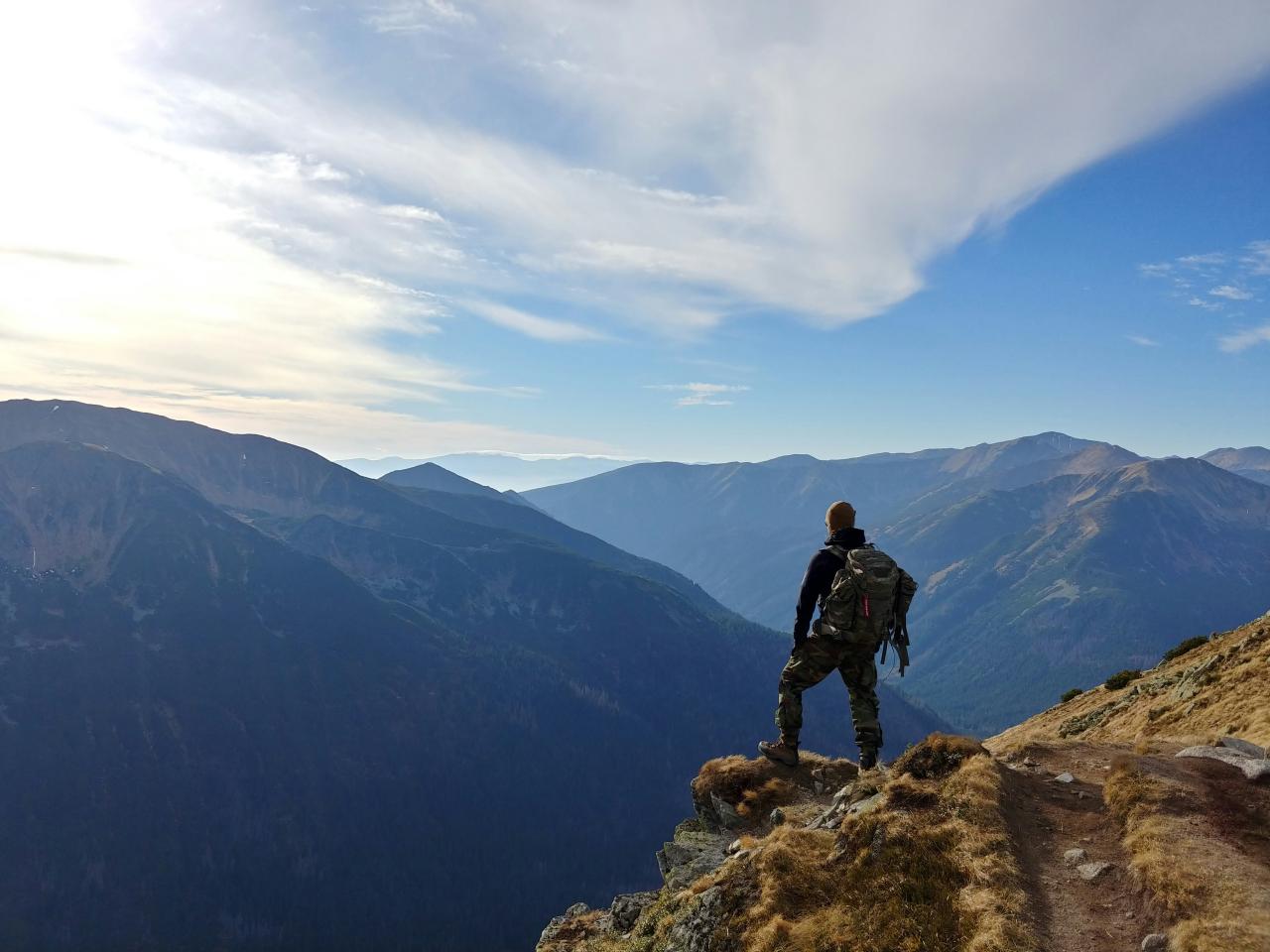
If you are looking for a true “reset,” you need to find trails that offer both physical difficulty and complete isolation. The goal is to get so far away from cellular service that the temptation to check your phone disappears completely. Here are some of the world’s most effective “reset” destinations for 2026.
These trails are not for the faint of heart, but the mental reward is proportional to the effort required. They offer landscapes that look like they belong on another planet. From the thin air of the Himalayas to the jagged peaks of the Southern Alps, these places demand your total attention.
A. The Snowman Trek in Bhutan is widely considered the hardest trek in the world, crossing multiple passes over 5,000 meters.
B. The Huayhuash Circuit in Peru offers jagged limestone peaks and turquoise lakes that provide a stunning backdrop for mental reflection.
C. The Karakoram range in Pakistan, specifically the trek to K2 Base Camp, offers a raw and brutal beauty that is life-changing.
D. The Te Araroa Trail in New Zealand allows for months of isolation, stretching the entire length of the country’s two islands.
E. The Arctic Circle Trail in Greenland is a 160-kilometer journey through a barren, silent landscape that forces total internal focus.
The Ritual of the Trail: Simplicity as Medicine
Life on the trail is incredibly simple: you wake up, you eat, you walk, you sleep. This simplicity is a powerful antidote to the complexity of modern existence. In the wilderness, you only have three or four “problems” to solve each day: finding water, navigating the path, and staying warm.
This reduction of variables allows the mind to enter a state of peaceful clarity. There are no choices to make about what to wear or what to eat for dinner. When life is stripped down to its most basic elements, you begin to realize how much “noise” you usually tolerate in your daily life.
A. Routine on the trail creates a sense of safety and predictability that calms the nervous system over time.
B. Minimalist living shows you exactly how little material wealth you actually need to be content and functional.
C. Gratitude for basic comforts—a hot cup of tea or a dry pair of socks—becomes a powerful emotional anchor.
D. Mindfulness happens naturally as you become acutely aware of the texture of the ground and the temperature of the air.
E. Connection with others is deepened as you share the hardships and triumphs of the trail with your trekking partners.
Conquering the Solo Trekking Challenge
While trekking with a group is great for social bonding, solo extreme trekking is the ultimate test of the self. When you are alone in the wilderness, there is no one to complain to and no one to rely on but yourself. Every success is entirely yours, and every mistake is a lesson you must handle alone.
Solo trekking forces you to confront your own thoughts without the distraction of conversation. Many people find that after three or four days of solitude, their internal dialogue changes. The harsh self-criticism of the city fades away, replaced by a more supportive and pragmatic inner voice.
A. Total autonomy allows you to move at your own pace and listen to the needs of your own body without external pressure.
B. Self-reliance is built as you handle navigation, first aid, and camp chores entirely on your own in a remote setting.
C. Introspection is unavoidable, leading to deep realizations about your life goals and personal relationships.
D. Fear management is practiced as you learn to distinguish between real danger and the irrational anxieties of the mind.
E. Personal growth is accelerated when you are forced to be your own cheerleader and your own protector.
Essential Gear for the Extreme Trekkers
To achieve a mental reset, you cannot be worrying about your gear failing or being dangerously cold. Your equipment is your life-support system in extreme environments. Investing in high-quality, lightweight gear allows you to focus on the experience rather than the discomfort of a heavy load or wet clothes.
A. Technical footwear with proper ankle support and a high-traction sole is the most important investment for any long-distance trek.
B. The layering system—consisting of a base layer, mid-layer, and waterproof shell—allows you to regulate your body temperature perfectly.
C. Lightweight tents and sleeping bags rated for sub-zero temperatures are essential for staying safe in high-altitude camps.
D. Satellite communication devices like a Garmin inReach provide a safety net while still allowing you to stay “off the grid.”
E. High-calorie, lightweight nutrition ensures that your brain has the glucose it needs to maintain focus and emotional stability.
The Science of “Forest Bathing” and Beyond
While “forest bathing” (Shinrin-yoku) is a popular Japanese concept, extreme trekking takes this to the next level. It isn’t just about being near trees; it’s about being immersed in a “high-energy” natural environment. High altitudes and extreme landscapes produce higher levels of negative ions, which are believed to improve mood and energy levels.
The sheer scale of a mountain range triggers a sense of “Awe.” Psychologists have found that experiencing awe makes people more generous, less stressed, and more patient. It humbles the ego and connects us to the larger biological and geological history of our planet.
A. Negative ion exposure in mountain air is linked to improved serotonin levels and a reduction in seasonal affective disorder.
B. The feeling of awe reduces the “small self” and increases our sense of connection to the human species and the earth.
C. Phytoncides, the organic compounds released by trees, have been shown to boost the human immune system and “natural killer” cells.
D. The fractal patterns found in mountain peaks and clouds are naturally pleasing to the human eye and reduce visual stress.
E. Natural soundscapes—wind, water, and birdsong—have a direct calming effect on the sympathetic nervous system.
Survival Skills as a Form of Mindfulness
Learning survival skills—like how to read a map, find water, or build a shelter—is a form of practical mindfulness. It requires you to observe your environment with extreme detail. You no longer just see “a forest”; you see a source of fuel, a potential windbreak, or a sign of an approaching storm.
This level of environmental awareness is the opposite of the “zombie-like” state many of us experience when scrolling through our phones. It reconnects our brains to the survival instincts that our ancestors used for thousands of years. This reconnection provides a deep sense of satisfaction and “wholeness” that modern life rarely offers.
A. Land navigation using a map and compass forces the brain to build a 3D mental model of the world, improving spatial intelligence.
B. Fire-making and water-purification skills provide a sense of basic competence that boosts overall life confidence.
C. Tracking weather patterns through cloud formations teaches you to anticipate and respect the power of the natural world.
D. Foraging for edible plants (with proper knowledge) connects you to the food chain in a visceral and meaningful way.
E. Knot-tying and tool-making improve fine motor skills and provide a sense of tangible, physical accomplishment.
Re-entering Civilization After the Reset
The hardest part of an extreme trek is often the return to the “real world.” After weeks of silence and simplicity, the noise and pace of the city can feel overwhelming. This is known as “re-entry shock.” However, if handled correctly, you can bring the “mountain mind” back with you.
The goal is not just to have a great vacation, but to integrate the lessons of the trail into your daily life. You might find that you no longer need as many material possessions, or that you have a higher tolerance for stress. The summit wasn’t just a physical location; it was a psychological milestone that you now carry inside you.
A. Integration of the “reset” involves slowly reintroducing digital devices and maintaining the “deep work” habits learned on the trail.
B. Perspective maintenance helps you remember the scale of the mountains when faced with minor office dramas or traffic jams.
C. Physical health improvements from the trek, such as increased lung capacity and lower resting heart rate, should be maintained through local hiking.
D. Community building with other trekkers provides a social support network that understands the transformative power of the wilderness.
E. Planning the next expedition provides a “North Star” to work toward, keeping the spirit of adventure alive in the mundane months.
Conclusion
Extreme trekking is the most effective medicine for a mind that has been fractured by the modern world.
It is a journey that starts with physical pain and ends with profound psychological clarity.
The mountains do not care about your job title, your bank account, or your social media followers.
In the wild, you are judged only by your resilience and your ability to respect the environment.
Stripping away the noise of civilization allows you to finally hear the quiet voice of your own intuition.
The summit is a powerful symbol, but the true reset happens in every step taken along the way.
We were never meant to live our entire lives behind glass screens and concrete walls.
Our brains and bodies are designed for the challenge of the trail and the beauty of the wilderness.
By choosing to suffer a little bit in the mountains, we learn how to truly live in the city.
The ultimate mental reset is waiting for you at the end of a long, difficult, and beautiful path.
May you find the courage to leave the summit of your comfort zone and explore the wild peaks beyond.