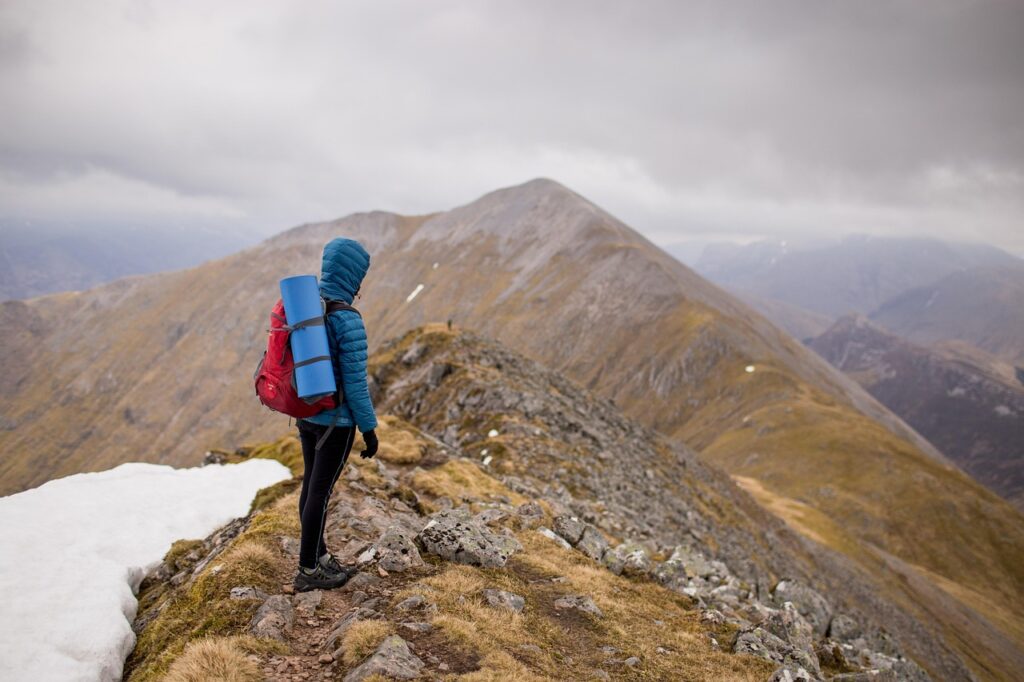
Stepping into the world of high-altitude mountaineering is far more than a simple hobby; it is a life-altering commitment that requires a blend of physical grit and mental fortitude. Many aspiring climbers dream of standing on the world’s highest peaks, yet the transition from casual hiking to technical alpine climbing is a massive leap. This journey demands a strategic approach to training, where specialized knowledge of thin air and vertical terrain becomes your most valuable asset. Premium expeditions offer more than just a guided walk; they provide a comprehensive classroom where the mountains themselves are the primary teachers.
To succeed in these extreme environments, one must master complex gear, understand the nuances of weather patterns, and develop an intimate awareness of their own body’s reaction to low oxygen. Choosing the right training program is a critical decision that determines not just your success on the summit, but your safety throughout the entire expedition.
This guide explores the essential components of elite mountaineering training, focusing on how professional expeditions can accelerate your progress from a novice to a seasoned alpinist. We will look at the technical skills required, the physiological preparation necessary, and the logistical planning that goes into a world-class mountain mission.
The Foundation of Technical Alpine Skills
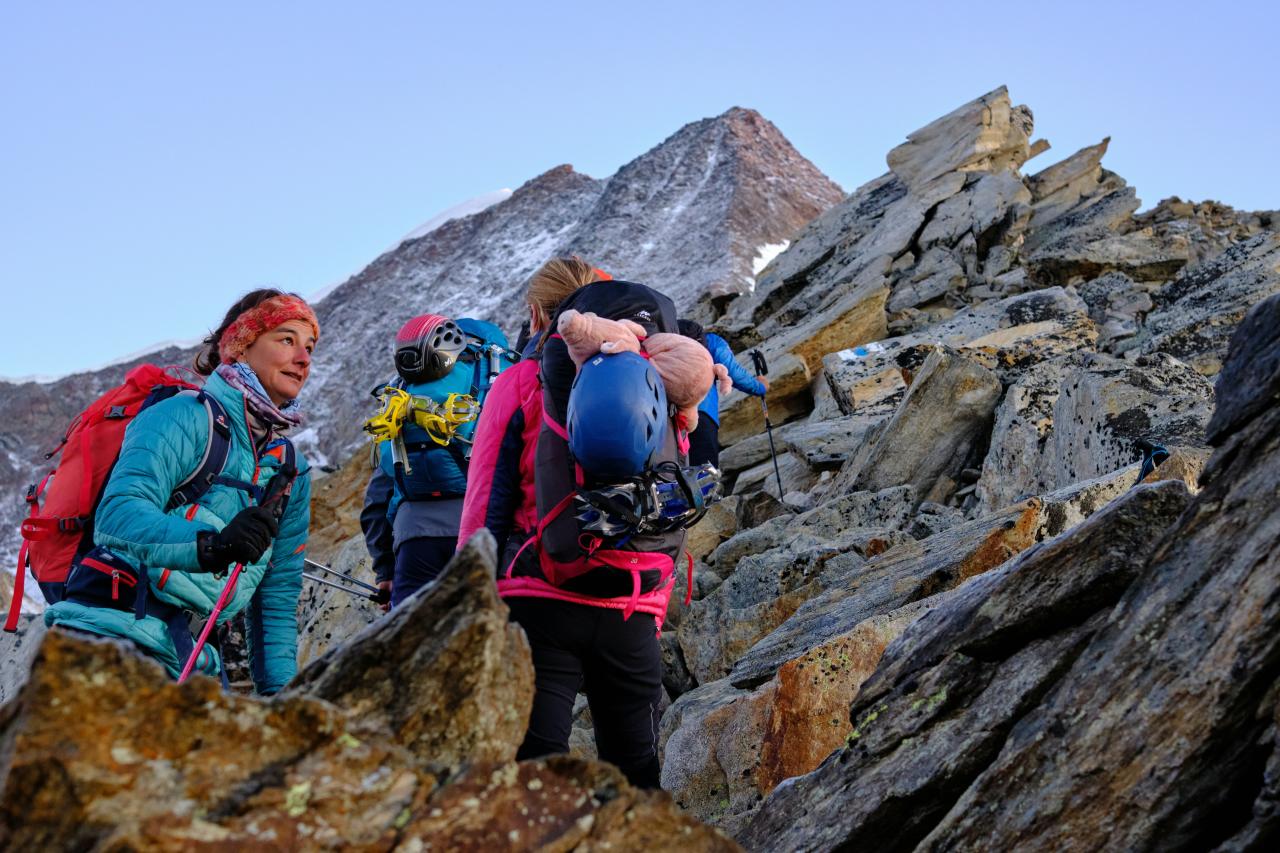
Mastering the technical aspects of climbing is the first step in ensuring a safe and productive high-altitude experience. Premium training expeditions prioritize these skills through hands-on practice in rugged, real-world conditions.
A. Advanced Rope Systems and Knot Proficiency
Knowing how to secure yourself and your teammates is the bedrock of safety on a mountain. You will learn to manage fixed lines, perform self-arrest techniques, and build reliable anchors in both snow and ice.
B. Crampon Technique and Ice Axe Mastery
Moving efficiently on frozen surfaces requires a deep understanding of footwork and tool placement. Training focuses on front-pointing, French stepping, and using the ice axe as a secondary point of contact for balance.
C. Crevasse Rescue and Team Safety Protocols
Glacier travel involves inherent risks that demand a quick and coordinated response. Participants learn the “Z-pulley” system and other hauling techniques to rescue a fallen climber from a deep ice fissure.
Physiological Adaptation to Extreme Altitude
The human body is not naturally designed to function at the heights where commercial jets fly. Premium expeditions use a scientific approach to help you adapt to the “death zone” where oxygen is scarce.
A. The Science of Gradual Acclimatization
Climbing high and sleeping low is a classic strategy used to trick the body into producing more red blood cells. A well-designed training program includes specific rest days and incremental altitude gains to minimize the risk of altitude sickness.
B. Hydration and Nutritional Strategies for the Cold
At high altitudes, your body burns calories at an incredible rate just to stay warm. You will learn how to maintain a high-calorie intake and stay hydrated even when water sources are frozen solid.
C. Recognizing and Managing Altitude Illness
Understanding the early warning signs of Acute Mountain Sickness (AMS) can save lives. Training covers the use of pulse oximeters and the administration of emergency oxygen or specialized medication during a crisis.
Selecting the Right High-Altitude Objective
Not all mountains are created equal, and choosing the right peak for your skill level is vital. A strategic training path typically starts with “trekking peaks” before moving toward technical giants.
A. Introductory Peaks for Skills Consolidation
Mountains like Island Peak or Lobuche provide the perfect environment to test your new skills. These peaks offer a mix of non-technical trekking and genuine alpine climbing with fixed ropes.
B. Intermediate Objectives for Endurance Building
Once the basics are mastered, moving to peaks like Aconcagua or Denali tests your ability to survive in sustained cold. These expeditions require carrying heavy loads and managing your own camp without extensive porter support.
C. Technical Giants and the Road to the Eight-Thousanders
The ultimate goal for many is the Himalayas, where the scale of the landscape changes everything. Training on lower, technical peaks is the only way to prepare for the logistical and physical demands of an 8,000-meter peak.
Gear and Equipment for the Extreme Cold
In the high mountains, your gear is your life support system. Premium expeditions provide expert guidance on selecting the best equipment for the specific conditions you will face.
A. The Multi-Layer Clothing System
Managing moisture is the key to staying warm in sub-zero temperatures. You will learn how to layer base materials, mid-layers, and heavy down parkas to regulate your body temperature during exertion.
B. High-Altitude Footwear and Specialized Boots
Triple-layer boots are a standard requirement for the coldest peaks on Earth. Training expeditions help you break in these heavy boots and ensure that your crampon compatibility is flawless before the climb begins.
C. Technical Hardware and Personal Safety Gear
From lightweight helmets to specialized harnesses designed for cold-weather use, every piece of metal matters. You will learn how to maintain your gear so it doesn’t fail when you need it most.
Mental Fortitude and Psychological Preparedness
The biggest challenges in mountaineering are often found within the mind rather than on the mountain. Mental resilience is what keeps a climber moving forward when the wind is howling and the summit feels miles away.
A. Developing a Peak Performance Mindset
Success at high altitude requires a calm, focused approach to problem-solving. Training involves stress-management techniques to help you stay composed during difficult weather or technical sections.
B. The Importance of Patience and Humility
The mountain always has the final say, and knowing when to turn back is a mark of a true professional. Learning to respect weather windows and listening to your body are essential lessons in humility.
C. Building Trust Within the Climbing Team
You are only as strong as the person on the other end of your rope. Premium expeditions foster a sense of community and shared responsibility, ensuring that every member is looking out for the safety of the group.
The Role of Professional Guiding and Mentorship
Having an experienced mentor can shave years off your learning curve. Professional guides provide a safety net while pushing you to expand your personal boundaries.
A. One-on-One Technical Coaching
Personalized feedback on your climbing form can prevent bad habits from forming. A guide can identify subtle mistakes in your technique that might lead to exhaustion or injury later in the climb.
B. Logistical Management and Base Camp Comfort
A well-run base camp is essential for recovery between acclimatization rotations. Premium expeditions invest in high-quality tents, nutritious food, and reliable communication systems to keep the team healthy.
C. Risk Assessment and Decision-Making Support
Guides bring years of experience in reading the snowpack and predicting weather shifts. Observing their decision-making process is one of the most valuable aspects of a high-altitude training program.
Environmental Stewardship and Mountain Ethics
As the popularity of mountaineering grows, so does the impact on fragile alpine ecosystems. Responsible expeditions teach the importance of leaving no trace and respecting local cultures.
A. Waste Management in Extreme Environments
Everything that goes up the mountain must come down, including human waste. You will learn how to manage your footprint in areas where waste does not decompose naturally.
B. Supporting Local Communities and Porters
Ethical expeditions ensure that local staff are paid fairly and provided with proper gear. Building positive relationships with the local community is a core part of a successful international expedition.
C. Protecting the Alpine Wilderness
Understanding the impact of climate change on glaciers is part of a modern mountaineer’s education. By observing the changes in the landscape, climbers become advocates for the protection of these wild spaces.
Physical Training Cycles for Mountaineers
You cannot simply “hike your way into shape” for a major expedition. A structured training plan starting months in advance is necessary to build the specific strength needed for the mountains.
A. Building an Aerobic Base through Zone 2 Training
The majority of a climber’s work is done at a low but steady intensity. Long days of hiking with a weighted pack help build the cardiovascular foundation required for high-altitude success.
B. Functional Strength for Carrying Heavy Loads
Core strength and leg power are critical for navigating uneven terrain while carrying 40 pounds of gear. Targeted gym sessions focusing on step-ups and lunges prepare your muscles for the vertical world.
C. Rest and Recovery as a Training Metric
Overtraining is a common mistake that leads to injuries before the expedition even starts. Learning how to listen to your body and incorporate active recovery ensures you arrive at the trailhead in peak condition.
Navigating the Logistics of International Travel
Getting to the mountain is often as complicated as the climb itself. Planning an international expedition involves navigating visas, permits, and complex transport schedules.
A. Securing Climbing Permits and Government Liaison
Most high peaks require specific permits that can take months to process. A professional expedition company handles these administrative hurdles, allowing you to focus on your training.
B. Managing Group Equipment and Freight
Transporting hundreds of pounds of gear to a remote base camp requires a mix of planes, trucks, and often pack animals. You will learn how to pack efficiently and manage the logistics of a remote supply chain.
C. Travel Insurance and Emergency Evacuation Plans
Standard travel insurance does not cover high-altitude rescues. You must secure specialized coverage that includes helicopter evacuation from extreme heights in case of a medical emergency.
Post-Expedition Recovery and Integration
The journey doesn’t end when you reach the bottom of the mountain. Your body and mind need time to recover and integrate the lessons learned during the expedition.
A. Managing the Physical Toll of Altitude
It can take weeks for your red blood cell count to return to normal and for your muscles to recover from the strain. Rest, nutrition, and light activity are key to a healthy recovery phase.
B. Journaling and Reflecting on the Experience
Writing down your thoughts while they are fresh helps solidify the lessons learned. Reflection allows you to identify areas for improvement and set goals for your next mountain objective.
C. Sharing the Story and Inspiring Others
A successful expedition is a personal victory, but sharing that journey can inspire others to pursue their own dreams. Whether through photography or public speaking, your experience has the power to motivate.
Conclusion
Embarking on a high-altitude mountaineering training program is a profound investment in your personal capabilities and survival skills. The transition from hiking to technical alpine climbing requires a structured and professional approach to safety and education. Premium expeditions provide the necessary environment to master complex rope systems and rescue techniques under expert supervision.
Mastering your body’s physiological response to thin air is a critical component of a successful summit bid. Choosing the right peaks to train on allows for a progressive build-up of experience and confidence in the high mountains. Expert guidance on gear selection ensures that you are protected against the most extreme weather conditions on the planet. Mental resilience and the ability to stay calm under pressure are developed through the challenges faced on the slopes.
Professional mentorship provides a safety net that allows you to push your limits while minimizing inherent risks. Ethical climbing practices ensure that the majestic landscapes we visit remain pristine for future generations of adventurers. Physical preparation starting months in advance is the only way to build the stamina required for vertical success. Navigating the administrative and logistical hurdles of international travel is made easier through professional expedition support.
The recovery phase is just as important as the climb itself for long-term health and psychological well-being. Each summit reached is a testament to the hard work and strategic planning put into the training process. Ultimately, the mountains offer a unique perspective on life that can only be found through effort and perseverance.