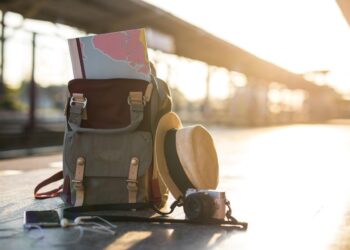
The decision for a woman to embark on a solo journey, charting her own course through foreign landscapes and engaging directly with diverse cultures, is an incredibly powerful and often profoundly transformative act, symbolizing a deep commitment to personal freedom, self-discovery, and unapologetic independence from the constraints of group travel expectations.
This unique form of travel provides an unmatched opportunity for rapid personal growth, forcing the traveler to hone crucial life skills—such as navigating complex logistics, making swift and sound decisions under pressure, and quickly adapting to unfamiliar social norms—that often remain dormant when traveling with a companion or a group.
However, in stark contrast to the experience of male counterparts, the solo female traveler must, regrettably, carry an additional, persistent layer of consideration regarding personal safety, requiring heightened vigilance and meticulous, proactive planning to mitigate risks that are unfortunately still prevalent in many parts of the world, ranging from petty harassment to more serious threats.
Successfully undertaking these magnificent solo adventures is entirely achievable, yet it necessitates moving beyond basic travel tips to implement a robust, multi-layered security strategy that integrates smart technological precautions with deeply intuitive, culturally aware behavioral practices, transforming potential vulnerabilities into a state of resilient, confident, and thoroughly prepared self-reliance.
Pillar 1: Pre-Departure Security and Logistical Planning
Security starts long before stepping onto the plane, demanding meticulous preparation and organized documentation.
A. Strategic Destination and Accommodation Selection
Choosing locations that inherently mitigate risk and provide safe havens.
-
Safety Metrics Research: Prioritize destinations with low crime rates, particularly against women, stable political environments, and strong public services (reliable police and emergency response).
-
Reputation Check: Use dedicated women’s travel forums and review sites to gauge the specific safety experiences of other solo female travelers in the region, focusing on street harassment and public transit issues.
-
Vetting Accommodation: Book highly-rated accommodations (hotels, hostels, or rentals) that specifically mention good security features, such as 24-hour reception, secure access doors, and well-lit common areas.
B. Critical Document Security and Backup
Ensuring immediate access to vital information in case of emergency.
-
Digital Isolation: Keep scanned copies of your passport, visa, flight itinerary, and insurance details secured in two ways: an encrypted cloud storage folder and a hidden folder on your phone, requiring a separate password.
-
Physical Separation: Never store your physical passport and main bank cards together. Keep your passport locked in your accommodation safe while carrying a photo ID and a secondary payment method for daily use.
-
Emergency Communication Sheet: Prepare a physical, laminated card listing local emergency numbers, the nearest embassy contact, and the phone numbers of two trusted emergency contacts back home, kept separately from your wallet.
C. Financial Preparedness and Dispersion
Dividing assets to survive immediate theft or loss without being stranded.
-
The “Decoy Wallet” Strategy: Carry a small, easily accessible “decoy wallet” containing only a small amount of cash (local currency) and expired or secondary cards. If confronted, hand over the decoy immediately.
-
Hidden Cash Reserves: Securely stow a substantial emergency cash reserve (in Euros or USD, often more usable globally) in a deeply hidden location, such as a zippered pocket inside a jacket lining or a specialized money belt.
-
Bank Notification: Call all banks and credit card companies before your trip to inform them of your exact travel dates and countries. This prevents card freezing, which can be catastrophic when traveling solo.
Pillar 2: Mastering Transportation and Navigation Safety
Transportation presents unique vulnerability points that must be proactively managed when traveling alone.
A. Securing the Arrival and Initial Transfer
The first moments in a new city are often the most vulnerable to scams and confusion.
-
Pre-Arranged Transport: Whenever possible, pre-book an official airport transfer or a reputable ride-share service (like Uber, Bolt, or Grab) before arriving. Avoid unmarked taxis or accepting rides from strangers.
-
Verify the Vehicle: Always confirm the license plate number and the driver’s name match the details provided by the app or booking service before entering the vehicle.
-
Immediate Contact: As soon as you are in the vehicle, send a quick text message to a friend (or even an automated note to yourself) stating, “Just arrived, taking X taxi to Y hotel,” creating a digital record of your location.
B. Using Public Transit Confidently
Navigating buses, trains, and subways safely and efficiently.
-
Peak Hours Preference: Try to use public transportation during busy daylight hours when there are more people around, avoiding empty platforms or late-night carriages, which pose higher risks.
-
Front Car Seating: On trains and subways, sit in the car closest to the conductor or driver, which is often the safest area due to visibility.
-
Offline Mapping and Route Planning: Plan your route entirely beforehand using downloaded offline maps. Avoid standing in public looking obviously lost while staring intensely at your phone, signaling distraction.
C. Navigating at Night and Alone
Minimizing risk during high-vulnerability times.
-
Controlled Movement: If walking alone at night, stick to well-lit, busy streets that are clearly identifiable, avoiding shortcuts through parks, alleys, or unlit residential areas.
-
Confidence in Body Language: Walk with purpose, maintain eye contact, and project an air of confidence, even if you feel uncertain. Avoid listening to music with headphones, which limits awareness of surroundings.
-
Emergency Ride Funds: Always ensure you have enough cash or battery charge to call a ride-share or taxifor any unexpected late-night distances, treating this as a non-negotiable personal security expense.
Pillar 3: Technology and Digital Defense for Women Travelers

Leveraging technology as a powerful, discreet safety tool is essential for solo female travelers.
A. Essential Safety App Toolkit
Installing and mastering critical apps before the trip begins.
-
Tracking and Sharing Apps: Utilize real-time location-sharing features (like those on WhatsApp, Google Maps, or specialized safety apps) with a trusted contact back home for the duration of the trip.
-
Local Emergency Integration: Pre-program your phone’s emergency function (e.g., rapid press of a side button) to call local emergency services or alert specified contacts without having to unlock the device.
-
Offline Translator: Download a robust, offline translation app that allows instant, two-way communication without relying on spotty Wi-Fi, critical for dealing with police or medical personnel.
B. Device and Charging Protocols
Ensuring devices are always powered and secure when needed most.
-
Power Bank Priority: A fully charged, high-capacity power bank is non-negotiable. A dead phone means a lost map, a lost contact, and the inability to call for help, exponentially increasing risk.
-
Securing Public Charging: Avoid using public USB charging ports in airports or cafes, as these can sometimes be compromised (“juice jacking”). Instead, use your own power bank or plug directly into a wall outlet with your own adapter.
-
Simple Digital Passcodes: Ensure your phone uses a strong, alphanumeric passcode or secure biometric lock(fingerprint/face ID) to prevent unauthorized access if the device is lost or stolen.
C. Discretion and Digital Blurring
Managing social media and communication to avoid revealing too much.
-
Delayed Posting: Wait at least 24 hours (or until you have left the city) before posting specific location tags, hotel names, or real-time photos of where you are staying or what you are doing.
-
Private Communications: Be extremely careful about sharing specific, ongoing itinerary details with strangers met on the road or online. Keep your travel plans vague unless with a trusted companion.
-
Professional Interaction: When communicating online or via apps (dating, social), maintain a professional, firm boundary. Never accept requests to meet in private spaces or locations that feel instinctively uncomfortable.
Pillar 4: Behavioral and Cultural Awareness
Confidence and cultural intelligence are the best psychological deterrents against unwanted attention.
A. The “I Belong Here” Persona
Projecting confidence to deter opportunists who target the lost or confused.
-
Eye Contact and Focus: Maintain steady eye contact and an alert, focused posture. Avoid wandering aimlessly or looking nervously at maps in crowded, public areas.
-
Discreet Mapping: If you need to check a map, step into a lobby, a shop, or a quiet corner before pulling out your phone. Quickly check the route, put the phone away, and resume walking with purpose.
-
The Immediate “No”: Practice delivering a firm, immediate “No” or shaking your head confidently when approached by unsolicited vendors, overly friendly strangers, or pushy taxi drivers. Do not engage in unnecessary dialogue.
B. Dress Code and Local Customs
Respecting local norms to avoid attracting unwanted or negative attention.
-
Research Local Modesty: Research the local standards for dress, especially regarding modesty in conservative areas or religious sites. Dress respectfully and cover shoulders and knees when appropriate.
-
Blending In: Aim to dress practically and comfortably, avoiding overly flashy clothing, excessive jewelry, or highly expensive designer accessories that single you out as a wealthy tourist.
-
Respecting Gender Norms: Be aware of local gender separation rules in certain public spaces (e.g., specific sections on public transport, separate entrances to certain establishments) and respect them to ensure comfort and safety.
C. Managing Unwanted Attention and Harassment
Having prepared strategies for diffusing uncomfortable situations.
-
The Ignorance Technique: Often, the most effective response to minor verbal harassment is to completely ignore the comment and continue walking with speed and focus, denying the harasser the reaction they seek.
-
Seeking Immediate Allies: If feeling threatened, quickly move towards a safe, public place—a hotel lobby, a family with children, a well-staffed shop—and verbally ask for assistance.
-
Setting Firm Boundaries: If approached repeatedly by someone you do not trust, state clearly, “I am not interested,” or “Leave me alone,” in a loud, firm voice that draws the attention of those around you.
Pillar 5: Health, Wellness, and Emergency Preparedness
Being a solo traveler means you are your own primary caregiver and emergency coordinator.
A. Recognizing and Managing Fatigue
Avoiding vulnerability caused by exhaustion, illness, or intoxication.
-
The Power of Rest Days: Schedule mandatory downtime and rest days in your itinerary. Solo travel can be mentally exhausting due to constant decision-making and vigilance, leading to lower cognitive guardrails.
-
Mindful Consumption: Be extremely mindful of alcohol or substance consumption when traveling alone, especially in social settings. Never leave a drink unattended, and maintain control of your mental faculties at all times.
-
Safe Socializing: When meeting people from hostels or tours, meet them in public, neutral locations first, and do not accept invitations back to a private room or space until you have established a high level of trust.
B. Comprehensive Health and Insurance Protocol
Ensuring immediate, reliable access to healthcare when alone.
-
Top-Tier Insurance: Travel insurance that includes emergency medical evacuation and reliable $24/7$assistance is non-negotiable. Ensure you have the policy number and emergency contact line saved offline.
-
Prescription Duplication: Carry a duplicate supply of essential prescription medications in two separate bags. This protects against loss of one bag or delayed baggage claim, and always keep medications in their original, labeled bottles.
-
Identifying Local Clinics: Upon arrival, quickly identify the nearest reputable clinic or hospital to your accommodation using your offline map, so you know exactly where to go if a health crisis occurs.
C. The Emergency Action Plan (EAP)
Knowing the sequence of actions to take when things go wrong.
-
Assess and Secure: The immediate first step in any incident (theft, harassment, injury) is to move to a secure, public location and assess your immediate physical safety and the location of your passport/primary funds.
-
Contact Home First: Before calling the police or your embassy, contact your trusted emergency person back home. This provides emotional support and allows someone else to start coordinating assistance.
-
Formal Reporting: Once safe, report major incidents (theft, assault) to the local police to obtain a formal police report number. This report is mandatory for all travel insurance claims.
Conclusion: The Journey of Strength and Awareness

Safe solo travel for women is an incredible testament to resilience, demanding a harmonious blend of meticulous planning, keen cultural intelligence, and unyielding self-confidence.
The foundation of this safety is built through rigorous pre-trip preparation, including securing highly-rated accommodations, strategically dispersing financial assets across multiple locations, and creating multiple, offline backups of all essential travel documents.
Maintaining constant vigilance during transit is crucial, requiring the traveler to prioritize safety by opting for pre-booked, verified transportation and consciously avoiding vulnerable late-night travel segments.
Technology must be leveraged as a discreet, powerful guardian, ensuring the phone is continuously powered by a reliable bank and that location is securely shared with a trusted person back home at all times.
The best defense often lies in the traveler’s own behavioral intelligence: projecting confident body language and being acutely aware of local dress codes and cultural norms to avoid attracting unnecessary or unwanted attention.
Financial and physical well-being cannot be overlooked, making comprehensive travel insurance and the strategic maintenance of essential medications in their original packaging a non-negotiable priority for true peace of mind.
By embracing these disciplined, proactive security measures, women can successfully navigate the world, transforming the initial apprehension into an experience of profound personal empowerment and unconstrained global adventure.